Yellow Border: A Craft Fair Designer Review
As I set up my table for the upcoming weekend craft fair, the pressure to create a cohesive yet eye-catching display is always high. My booth needs to tell a story of quality and creativity before a customer even steps up to speak. Today, I am reviewing a new machine embroidery design called Yellow Border. The description promises a look that is both sweet and modern, capable of transforming plain fabric into something special. Before I commit this embroidery file to my production line for tote bags, aprons, and home decor, I need to know if it holds up under the scrutiny of real-world sales.
First Impressions: Sweet, Modern, and Versatile
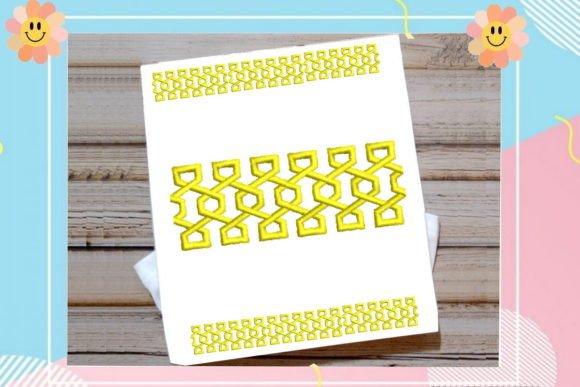
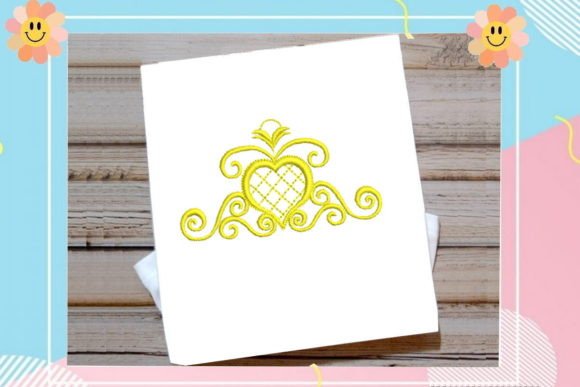
The moment I load the Yellow Border design onto my hoop, the aesthetic intent becomes clear. It does not feel rustic or overly farmhouse; instead, it leans heavily into a clean, contemporary vibe with a touch of warmth. The color yellow is inherently optimistic and attention-grabbing, which is exactly what you want when your products are competing against dozens of other handmade items on a crowded table. This design feels premium without being stiff. It strikes a balance between decorative flair and functional simplicity, making it an excellent candidate for a variety of handmade product lines.
For an Etsy seller or boutique maker, the "sweet and modern" descriptor is crucial. It suggests that the item will appeal to a broad demographic, from young parents looking for nursery accents to interior design enthusiasts seeking fresh updates for their kitchens. The visual weight of the border is significant enough to define a product but light enough not to overwhelm the fabric underneath.
Product Performance: Where Does Yellow Border Shine?
In my experience, a great borders design must adapt well to different surfaces. Here is how Yellow Border performs across my planned inventory for the weekend market:
- Tote Bags and Market Bags: This is where the design truly excels. Placed along the bottom hem or wrapping around the sides of a canvas tote bag, the tote bag design creates a finished, professional look. The yellow thread pops beautifully against natural linen or white cotton, instantly elevating a basic bag into a desirable craft fair product.
- Kitchen Textiles: For apron embroidery and tea towel embroidery, the border acts as a frame. On a tea towel, stitching this design near the hem adds a custom touch that mass-produced towels lack. On an apron, running the border along the pocket edge or the bib bottom provides a subtle branding element that feels cohesive and thoughtful.
- Patches and Caps: While primarily a border, sections of Yellow Border can be isolated to create unique embroidered patch shapes. On curved cap surfaces, however, one must be careful with placement to ensure the pattern flows with the curve rather than fighting it.
- Pillow Covers and Pouches: Small fabric pouches benefit from the linear nature of the design. It guides the eye and adds structure. For pillow covers, using the border on all four sides creates a framed effect that looks expensive and tailored.
Selling Points: Visual Appeal and Customer Engagement
When customers walk by a booth, they have seconds to decide if they want to stop. Yellow Border aids in this critical engagement phase. The brightness of the yellow thread draws the eye immediately. In a sea of neutrals and pastels often found at craft markets, this splash of color signals energy and joy. It enhances the perceived value of the finished product, allowing me to price items slightly higher because the embroidery clearly indicates extra labor and care.
Furthermore, the design photographs exceptionally well. For online listings or social media promotion, the contrast between the yellow thread and common fabric textures like canvas or flannel is crisp. This makes creating a printable mockup or a digital catalog much easier. The clean lines of the digital embroidery file translate perfectly to photos, ensuring that what the customer sees online matches what they receive in person.
Production Realities: Practical Notes for Makers
While the design is promising, practical execution is where many small shop product lines fail. As a designer preparing for batch production, I have identified several key considerations for working with Yellow Border:
Fabric Texture and Thread Contrast
Not all fabrics play nice with dense borders. If you are using thick, textured towels or heavy denim, the stitch density of the border might get lost in the weave. I recommend testing the design on scrap fabric first. Ensure the thread colors provide sufficient contrast; while yellow is bright, it can disappear on beige or light brown backgrounds. White or navy blue fabrics are likely the safest bets for maximum visibility.
Hoop Size and Stabilizer Use
Before committing to a full run, confirm the required hoop size. Borders often require longer hoops to accommodate the length without distorting the pattern. Additionally, because this design runs continuously, proper stabilization is non-negotiable. Using the right stabilizer prevents puckering, which can ruin the "modern" aesthetic and make the fabric look cheap. Always test stitch out the design to check for tension issues, especially if switching between lightweight cotton and heavier canvas.
Scalability and Detail
Does the design hold up at smaller sizes? If you plan to use this on small gift tags or tiny pouches, inspect the file for tiny details that might clog the needle or lose clarity. Yellow Border appears robust, but scaling it down too far could merge stitches. Stick to standard applications where the border has room to breathe. Also, avoid placing the design on highly curved areas like the top of a cap unless you have adjusted the file specifically for that curvature.
Final Verdict for Commercial Embroidery
After reviewing the design assets and considering the logistics of a busy craft fair weekend, Yellow Border earns a strong recommendation. It is a versatile tool for any creative entrepreneur looking to add a touch of polish to their inventory. Whether you are producing commercial embroidery for resale or creating one-off gifts, this design offers a reliable way to enhance visual appeal.
However, remember that success lies in the details. Always verify the commercial licensing terms before selling finished goods. Create at least one real mockup to see how the thread interacts with your specific fabric choices. Check the spacing carefully so the border doesn't crowd other design elements. By treating Yellow Border with these professional precautions, you can turn a simple embroidery pattern into a standout feature of your brand.
For those of us who live and breathe handmade markets, finding designs that are both beautiful and easy to produce is the holy grail. Yellow Border comes very close to that ideal. It brings a cheerful, modern energy to sewing projects and ensures that your next batch of handmade product stands out from the competition. If you are ready to elevate your booth display, this is definitely a design worth adding to your collection.