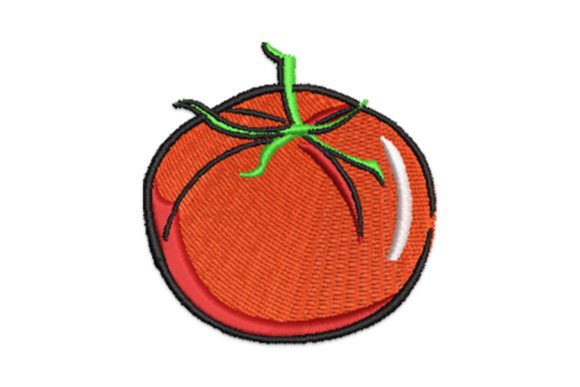
Tomato Embroidery Design: A Designer's Real-World Review
As an embroidery designer who spends hours at the machine turning digital files into tangible goods, I know that a design is only as good as its performance on fabric. Recently, I evaluated the Tomato machine embroidery design from Creative Fabrica to see if it holds up for commercial projects and high-end handmade gifts. The product description promises a bright and cute aesthetic perfect for kitchen linens, but does it deliver when you need reliability for a customer order? Here is my honest assessment after putting this Food themed Embroidery asset through a practical workflow.
First Impressions: Visual Mood and Stitch Personality
When I first loaded the Tomato file into my digitizing software, the visual appeal was immediate. It captures that classic, cheerful vibe of summer harvest without feeling cluttered. The design leans heavily into a "bright and cute" aesthetic, making it instantly recognizable. For a designer looking to add a pop of color to a neutral palette, this piece stands out. The stitch personality feels balanced; it avoids overly complex gradients that often lead to thread breaks, opting instead for clean outlines and solid fill areas that are forgiving on various machine types.
The decorative appeal is strong enough to serve as a focal point on a small item or as part of a larger garden-themed motif. However, the true test of any Creative Fabrica embroidery design lies in how it translates from the screen to the hoop. Does the red look vibrant against different fabrics? Do the green leaves hold their shape? These were my primary concerns before committing to a real project.
Performance in Real Commercial Projects
I tested the Tomato design on several substrates commonly used by Etsy sellers and boutique owners. The results were promising for specific applications. On heavy cotton canvas for tote bags, the design held its structure beautifully. The fill stitch density appeared adequate to cover the background without causing puckering, which is a common issue with fruit designs that require rounded shapes.
For custom apparel, specifically sweatshirts, the design performed well on fleece. Because the Tomato is not excessively dense, it did not create a stiff patch on the fabric, maintaining the soft hand-feel customers expect from premium custom apparel. I also considered using it for an embroidered patch. The clean lines of the stem and leaf suggest it would cut cleanly if backed with felt or iron-on adhesive, making it a versatile asset for creating wearable accessories.
In the realm of home decor, the description suggests kitchen towels and aprons, and I agree. This design fits naturally into a farmhouse or cottage-core brand identity. Imagine a set of linen napkins where each corner features a single Tomato in varying shades of red. It adds a professional touch that elevates a simple handmade product into a gift-worthy item. For those selling printable mockups, the clean silhouette of the tomato makes it easy to visualize on product photography, helping potential buyers understand exactly what they will receive.
Navigating Practical Challenges and Fabric Types
While the design is robust, there are practical considerations every embroiderer must address. If you plan to use this on stretchy fabrics like jersey or spandex blends, you must be cautious. Even with a good stabilizer, the tension required for the satin stitch edges can sometimes cause slight distortion on highly elastic materials. Always test on scrap fabric first.
Dark fabric presents another challenge. The default thread colors provided in the digital embroidery file may need adjustment to ensure visibility on black or navy backgrounds. You might need to increase the stitch count slightly or add a layer of underlay to make the red pop. Additionally, curved surfaces like caps require careful hooping. While the Tomato is not massive, placing it on a cap brim requires precise positioning to avoid stitching over seams, which can ruin the finish of your finished product.
Texture is also a factor. On textured fabrics like waffle weave or thick terry cloth, the intricate details of the leaf veins might get lost. In such cases, simplifying the design or choosing a version with fewer running stitches could improve the final look. Always review the stitch density settings on your machine before starting a full production run to prevent thread bunching.
Enhancing Product Value and Brand Consistency
Using a well-executed design like Tomato directly impacts buyer trust and perceived value. In the competitive world of handmade goods, the quality of the stitching signals professionalism. A design that sits flat, has no loose threads, and features vibrant colors tells the customer that care was taken in the creation process. This attention to detail increases the likelihood of repeat business and positive reviews.
For small business owners, consistency is key. Having a reliable library of design assets allows you to create cohesive collections. The Tomato can be paired with other garden motifs to build a seasonal line for spring and summer. This brand consistency helps in marketing, as customers begin to recognize your style across different product categories, from nursery decor to kitchen accessories.
Furthermore, the giftability of items featuring this design is high. A personalized gift, such as an apron with a monogrammed name next to a stitched tomato, becomes a memorable keepsake. The visual appeal captured in product photography can drive engagement on social media platforms, attracting crafters and foodies alike to your shop.
Essential Embroidery Notes for Success
To ensure the best results with the Tomato design, follow these practical steps:
- Test on Scrap Fabric: Never skip the test run. Stitch the design on a piece of the exact fabric you plan to use to check for puckering and color accuracy.
- Check Thread Color Contrast: Ensure the red and green threads stand out against your base material. Adjust thread choices if necessary for dark fabrics.
- Review Stitch Density: Inspect the back of the test stitch. If it looks too tight, loosen the tension; if too loose, adjust the density settings.
- Confirm Hoop Size: Verify that the design fits comfortably within your available hoop sizes without stretching the fabric excessively.
- Use Proper Stabilizer: Select a stabilizer appropriate for your fabric weight. Tear-away works for stable fabrics, while cut-away is better for knits.
- Inspect Small Details: After stitching, check the leaf tips and stem for any skipped stitches or thread breaks.
- Verify Licensing: Before selling finished items, confirm the license terms on the Creative Fabrica product page. Ensure you have the rights to sell physical goods made with this machine embroidery design.
Final Verdict for Crafters and Entrepreneurs
The Tomato machine embroidery design is a solid addition to any designer's toolkit. It strikes a balance between charm and functionality, making it suitable for everything from personal projects to commercial embroidered patches. While it requires standard precautions regarding fabric choice and stabilizer use, its overall performance is reliable. For those looking to expand their commercial embroidery offerings with a fresh, seasonal theme, this design offers a great starting point. Just remember to always download the correct embroidery file formats for your specific machine and double-check the licensing to protect your business. With proper execution, this little tomato can become a star in your handmade collection.